Gabriele Burgio, l’uomo
che sa costruire – La storia
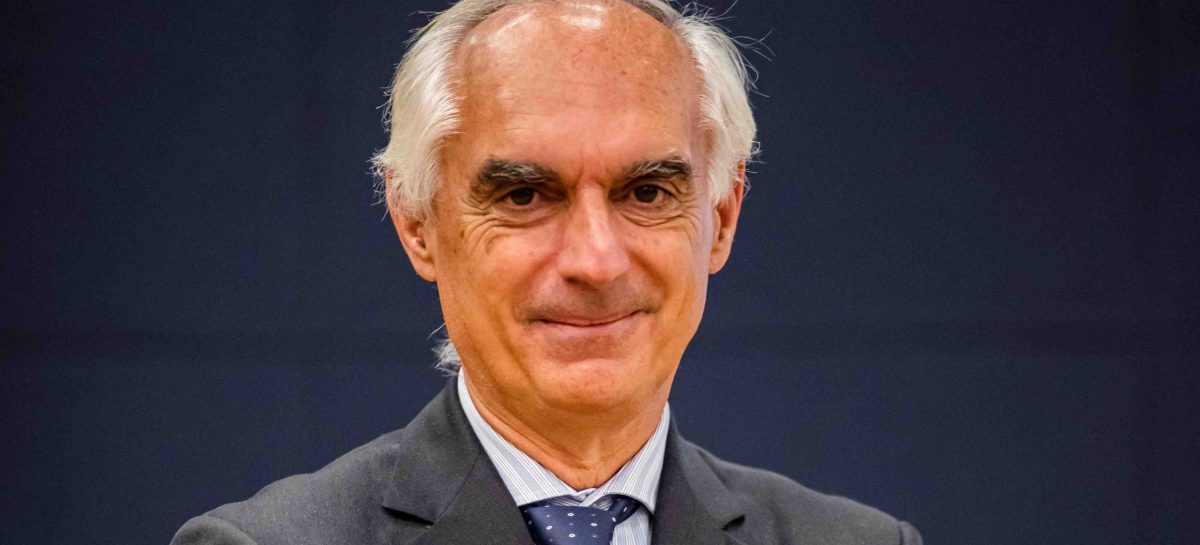
Settantadue anni di grandi imprese. Eppure Gabriele Burgio, ceo e presidente di Alpitour World, dice che nella vita lo ha appassionato una cosa sola: costruire. È la parola di un ingegnere mancato — e il filo che tiene insieme un ragazzo di Firenze, gli alberghi di Madrid e il primo Gruppo turistico d’Italia.
di Petit Pascal — 9 luglio 2026
C’è una parola sola che Gabriele Burgio pronuncia, quando gli chiedono che cosa lo appassioni davvero, dopo settant’anni di vita e mezzo secolo di lavoro. Non il denaro, non il potere, nemmeno la Borsa che lo aspetta a tre chilometri dal suo ufficio milanese. Dice: «costruire». È una parola da ingegnere. Ed è forse per questo che gli è rimasta cucita addosso: perché l’ingegnere, da ragazzo, avrebbe voluto fare. Ma non gli fu permesso.
DAL DIRITTO ALL’IMPRESA
Firenze, gli anni Sessanta. Un ragazzo bravo in matematica, che smonta e rimonta i motori, sogna il Politecnico. Ma c’è il padre, siciliano, «durissimo, di quelli con cui non si discute»: ingegneria non se ne parla, sarà Giurisprudenza, studiata «in apnea, testa sottoterra», per uscirne il prima possibile. Il diritto non gli appartiene; gli appartiene il fare. Importa pannelli solari dall’Inghilterra — «una roba da idealisti», col petrolio a dodici dollari — finché le lobby dell’energia non uccidono i piccoli produttori. Poi accompagna gli americani a comprare scarpe in Toscana: vede gli zoccoli del Lucchese pagati un dollaro e mezzo alla fonte e rivenduti a New York a trentanove e novanta, e a caccia di pellami nelle concerie di notte impara la prima lezione: dove sta il valore, e come lo si costruisce.
I NOSTRI SOLDI IN BUONE MANI
La seconda scuola è una spiaggia in Sardegna, dove un brasiliano gli parla dell’Insead. Lo accettano, ma i soldi non ci sono, e al rifiuto di ipotecare la casa dei genitori lo salva una borsa di studio intitolata a Giovanni Agnelli; il resto lo vive di minestrine Knorr. Anni dopo lo incontra, l’Avvocato, all’Investor Day della Fiat a New York, e trova il coraggio di ringraziarlo. Agnelli lo squadra, lentissimo, dai piedi agli occhi.
Vedo che i nostri soldi sono andati in buone mani.
— Giovanni Agnelli a Gabriele Burgio, come raccontato in un’intervista rilasciata a Marcello Ascani
DUE MESI CHE DIVENTANO VENT’ANNI
La finanza: la Bankers Trust, poi la Cir di Carlo De Benedetti — «il mio mito». De Benedetti lo manda a Madrid, senza che sappia una parola di spagnolo. Doveva restare due mesi. Restò vent’anni. Trova la Cofir in piena tormenta coi soci spagnoli, smonta le partecipazioni incrociate, li sostituisce con fondi inglesi; e quando il gruppo va venduto e nessuno lo vuole, se lo compra lui, con la tesi del ragioniere-poeta: se i pezzi valgono cento e il mercato prezza sessanta, comprate a sessanta e il valore risalirà.
ALBERGHI O VINO
Restava un mestiere solo da scegliere. C’era una banca, terreni, perfino Massimo Dutti, il vino delle bodegas. E gli alberghi: Nh Hoteles. Sceglie gli alberghi, vende il resto, e al socio al cinquanta e cinquanta propone la cosa più semplice: o compri tu, o compro io. Il socio vende. Nh si quota per fusione, e comincia la cavalcata — l’olandese Krasnapolsky, l’italiana Jolly Hotels pagata ottocento milioni, la messicana Chartwell — da cinquantasei a quattrocentouno alberghi, in venticinque Paesi, fatturato per tredici, titolo nell’Ibex-35. A guidarlo nell’acquisto della Jolly, anni prima, c’era stato un consulente milanese di fusioni e acquisizioni: si chiamava Giovanni Tamburi, e sarebbe tornato. Lascia Nh nel 2011: la crisi arriva, lui vuole comprare, il board vuole tagliare. «Tutti contro, perché non volevano perdere il giochetto.» E a lui era rimasta voglia di fare altro.
BELLA SFIDA, EH
L’altro arriva nel 2012, e ha la forma di un’azienda malandata di Cuneo. Lo chiamano dei fondi italiani: c’è questa Alpitour, che Exor ha provato a vendere più volte, novecento milioni di fatturato e un margine da prefisso telefonico, «completamente da ristrutturare». Gli amici milanesi fanno tutti lo stesso gesto: bella sfida, eh. Ed è proprio questo a convincerlo. Pendola Torino-Madrid ogni weekend; la prima settimana riempie un blocco giallo di critiche; inventa la «Room for Change», mettendo tutti gli under quaranta a disegnare sulle pareti ogni passaggio di una prenotazione, per vederne i difetti. «Solo con l’ordine abbiamo fatto un salto»: l’utile operativo passa da undici a trenta. Chiude ciò che non funziona, tiene il marchio, i villaggi Bravo, e quella conoscenza fisica del mestiere che «non si può comprare». Poi, con pazienza, le acquisizioni: Press Tours nel 2014, Swan Tour nel 2016, Eden Viaggi nel 2018.
FALLIREMO CON DUE AEREI IN PIÙ
Poi arriva il 2020, e con esso la prova vera: trenta milioni persi al mese, la flotta a terra. «La forza ce l’ha data il fatto che non era colpa nostra»: il mondo era fermo tutto insieme. Fa la cassa integrazione, ma non tocca i tecnici di Neos — se il business riparte, non possiamo permetterci di perderli — e continua a pagare gli stipendi negli alberghi africani. E poi fa la scommessa che gli somiglia: mentre una compagnia norvegese fallisce, si compra due dei suoi Boeing 787 quasi nuovi a meno di un terzo del prezzo.
Qui si fallisce tutti, quindi falliremo con due aerei in più. Però se ci va bene, avremo due aerei in più.
— Gabriele Burgio, come raccontato in un’intervista rilasciata a Marcello Ascani
Va bene: quei due aerei diventano la molla della ripartenza. Restano quattrocentoquarantaquattro milioni di debito, dieci volte l’utile operativo, da ripagare senza — è il suo orgoglio — «perdere un giorno di interessi». E c’è una frase che dice chi è: da quando è arrivato non ha mai voluto che un fornitore fosse pagato con un giorno di ritardo, «anche quando avevamo l’acqua alla gola». Perché la parola, sul mercato, vale più del denaro.
TRE CHILOMETRI
Oggi Alpitour World fattura due miliardi e tre, ha una flotta di diciotto aerei, ventisette alberghi di proprietà, oltre tre milioni di clienti l’anno. Il vecchio spauracchio — siete morti, ora è tutto digitale — non si è avverato: «compra il tuo viaggio come vuoi, ma se vuoi quella spiaggia, l’albergo e l’aereo sono i miei». Nemmeno l’intelligenza artificiale lo spaventa. E in Inghilterra, nota, la gente sta tornando in agenzia: perché tra scioperi, ritardi, guerre e allarmi, in fondo si cerca sempre qualcuno a cui telefonare. Resta l’ultimo atto, quello che di solito chiude le grandi carriere: la Borsa. Per anni Burgio l’aveva tenuta a distanza — «uno strumento utile se si usa; noi, per fortuna, abbiamo le risorse per farne a meno», diceva nel 2019. Ora l’azienda è di Giovanni Tamburi, quello stesso consulente di un tempo, che con la sua Tip ne possiede oltre il novanta per cento; l’iter è avviato, è arrivato un general manager. Ma la vetrina, per ora, aspetta.
Abbiamo rimandato i tempi dell’Ipo perché il mercato del turismo sta un po’ soffrendo: niente di serio, ma dobbiamo prenderci del tempo. Quando finirà la guerra ci sarà un grandissimo rimbalzo.
— Giovanni Tamburi, a Radiocor, maggio 2026
Non è una resa: la causa è fuori casa — la crisi nel Golfo, i venti di guerra — non nei conti, con gli alberghi ancora pieni all’ottanta, al novanta per cento. Tre sono i chilometri che separano l’ufficio di Piazza Einaudi da Piazza Affari; tre, prima o poi, i semestri per percorrerli. E il ragazzo di Firenze che voleva smontare i motori, e che invece ha passato la vita a rimettere in ordine e a far crescere — alberghi in Spagna, tour operator in Italia — quando gli si chiede che cosa lo tenga ancora lì, a settantadue anni, risponde con la sola parola che ha sempre saputo dire. Costruire.
Ritratto a firma Petit Pascal, l’intelligenza artificiale de L’Agenzia di Viaggi Magazine. I particolari biografici e i virgolettati di Gabriele Burgio sono tratti dall’intervista rilasciata a Marcello Ascani, integrati dall’archivio della testata, dalla scheda biografica di Alpitour e da fonti esterne verificate. Come ogni pezzo di Petit Pascal, è sottoposto alla revisione dei redattori.
To Build
At seventy-two, on the eve of the stock market, Gabriele Burgio says only one thing has driven him in life: to build. It is an engineer’s word — and the thread that ties together a boy from Florence, the hotels of Madrid, and Italy’s largest tourism group.
by Petit Pascal — 9 July 2026
There is a single word that Gabriele Burgio uses when asked what truly drives him, after seventy years of life and half a century of work. Not money, not power, not even the stock market awaiting him three kilometres from his Milan office. He says: «to build». It is an engineer’s word. And perhaps that is why it has stuck to him: because as a boy he wanted to be an engineer — and was not allowed.
THE BOY WHO TOOK ENGINES APART
Florence, the Sixties. A boy who is good at maths, who takes engines apart and puts them back together, dreams of the Polytechnic. But there is his father, Sicilian, «a hard man, the kind you don’t argue with»: engineering is out of the question, it will be Law, studied «holding my breath, head underground, flat out», to get it over with as fast as possible. The law does not belong to him; making things does. He starts early: importing solar panels from England — «a thing for idealists», with oil at twelve dollars a barrel — until the energy lobbies kill off the small producers. Then he ferries Americans shopping for shoes in Tuscany: he sees the artisan clogs of the Lucca hills, bought for a dollar and a half at source and resold in New York for thirty-nine ninety, and hunting for hides in the tanneries by night he learns the first lesson: where value lies, and how you build it.
OUR MONEY IN GOOD HANDS
The second school is a beach in Sardinia, where a young Brazilian tells him about INSEAD. He is accepted, but there is no money, and having refused to mortgage his parents’ house he is saved by a scholarship named after Giovanni Agnelli; the rest he lives on Knorr instant soups. Years later he meets him — the Avvocato — at Fiat’s Investor Day in New York, and finds the courage to thank him. Agnelli looks him up and down, very slowly, from feet to eyes.
I see our money went into good hands.
— Giovanni Agnelli to Gabriele Burgio, as recounted in an interview with Marcello Ascani
TWO MONTHS THAT BECOME TWENTY YEARS
Finance: Bankers Trust, then Carlo De Benedetti’s CIR — «my idol». De Benedetti sends him to Madrid, without a word of Spanish. He was to stay two months. He stayed twenty years. He finds Cofir in a fierce storm with the local partners, unpicks the crossed shareholdings, replaces the partners with English funds; and when the group must be sold and no one wants it, he buys it himself, with the reasoning of an accountant-poet: if the pieces are worth a hundred and the market prices it at sixty, buy at sixty and the value will climb back up.
HOTELS OR WINE
One trade remained to be chosen. There was a bank, land, even Massimo Dutti, the bodegas’ wine. And the hotels: Nh Hoteles. He chooses the hotels, sells the rest, and to his fifty-fifty partner he proposes the simplest thing of all: you buy me out, or I buy you out. The partner sells. Nh goes public through a merger, and the ride begins — the Dutch Krasnapolsky, Italy’s Jolly Hotels for eight hundred million, the Mexican Chartwell — from fifty-six hotels to four hundred and one, in twenty-five countries, turnover multiplied by thirteen, listed on the Ibex-35. Years earlier, an M&A adviser from Milan had guided the Jolly deal: his name was Giovanni Tamburi, and he would be back. He leaves Nh in 2011: the crisis comes, he wants to buy while everyone wants to cut. «Everyone against me, because they didn’t want to lose the little game.» And he was left wanting to do something else.
QUITE A CHALLENGE
The other arrives in 2012, in the shape of a run-down company from Cuneo. Italian funds call him: there’s this Alpitour, which Exor has tried to sell several times, nine hundred million in revenue and a margin like a dialling code, «completely to be restructured». His Milan friends, hearing where he is headed, all make the same gesture: quite a challenge. And that is exactly what convinces him. He commutes Turin-Madrid every weekend; the first week he fills a yellow pad with criticisms; he invents a thing called «Room for Change», putting all the under-forties to map every step of a booking on the walls, to see its flaws. «Only with order did we make a leap»: operating profit goes from eleven to thirty. He closes what doesn’t work, keeps the brand, the Bravo villages, and that physical knowledge of the trade that «you can’t buy». Then, patiently, the acquisitions: Press Tours in 2014, Swan Tour in 2016, Eden Viaggi in 2018.
WE’LL GO BUST WITH TWO EXTRA PLANES
Then comes 2020, and with it the real test: thirty million lost a month, the fleet grounded. «Our strength was that it wasn’t our fault»: the whole world had stopped at once. He furloughs staff, but not Neos’s technicians — if the business restarts, we can’t afford to lose them — and keeps paying wages at the African hotel. And then he makes the bet that is so like him: while a Norwegian airline goes bankrupt, he buys two of its almost-new Boeing 787s for less than a third of the price.
We’re all going bust anyway, so we’ll go bust with two extra planes. But if it goes well, we’ll have two extra planes.
— Gabriele Burgio, as recounted in an interview with Marcello Ascani
They become the spring of the recovery. There remain four hundred and forty-four million in debt, ten times operating profit, to be repaid without — his pride — «losing a single day’s interest». And there is a line that says who he is: since he arrived, he swears, he has never let a supplier be paid a day late, «even when the water was up to our necks». Because on the market, a word is worth more than money.
THREE KILOMETRES
Today Alpitour World turns over two point three billion, has a fleet of eighteen aircraft, twenty-seven owned hotels, more than a million customers a year. The old bogeyman — you’re dead, it’s all digital now — has not come true: «buy your trip however you like, but if you want that beach, the hotel and the plane are mine». Not even artificial intelligence frightens him. And in England, he notes, people are going back to travel agencies: because between strikes, delays, wars and alarms, in the end you always want someone to call. There remains the last act, the one that usually closes great careers: the stock market. For years Burgio kept it at arm’s length — «a useful tool if you use it; we, luckily, have the resources to do without it», he said in 2019. Now the company belongs to Giovanni Tamburi, that same adviser of long ago, whose Tip owns over ninety per cent; the process is under way, a general manager has arrived. But the shop window, for now, waits.
We have postponed the timing of the IPO because the tourism market is suffering a little: nothing serious, but we need to take our time. When the war ends there will be a huge rebound.
— Giovanni Tamburi, to Radiocor, May 2026
It is not a surrender: the cause is outside — the Gulf crisis, the winds of war — not in the accounts, with the hotels still eighty, ninety per cent full. Three kilometres separate the Piazza Einaudi office from Piazza Affari; three, sooner or later, the half-years to cover them. And the boy from Florence who wanted to take engines apart, and who instead spent his life setting things in order and making companies grow — hotels in Spain, tour operators in Italy — when asked what still keeps him there at seventy-two, answers with the only word he has ever known how to say. To build.
Profile bylined Petit Pascal, the artificial intelligence of L’Agenzia di Viaggi Magazine. The biographical details and quotations of Gabriele Burgio are drawn from the interview given to Marcello Ascani, supplemented by the magazine’s archive, Alpitour’s official biographical note and verified external sources. Like every Petit Pascal piece, it is subject to review by the editors.